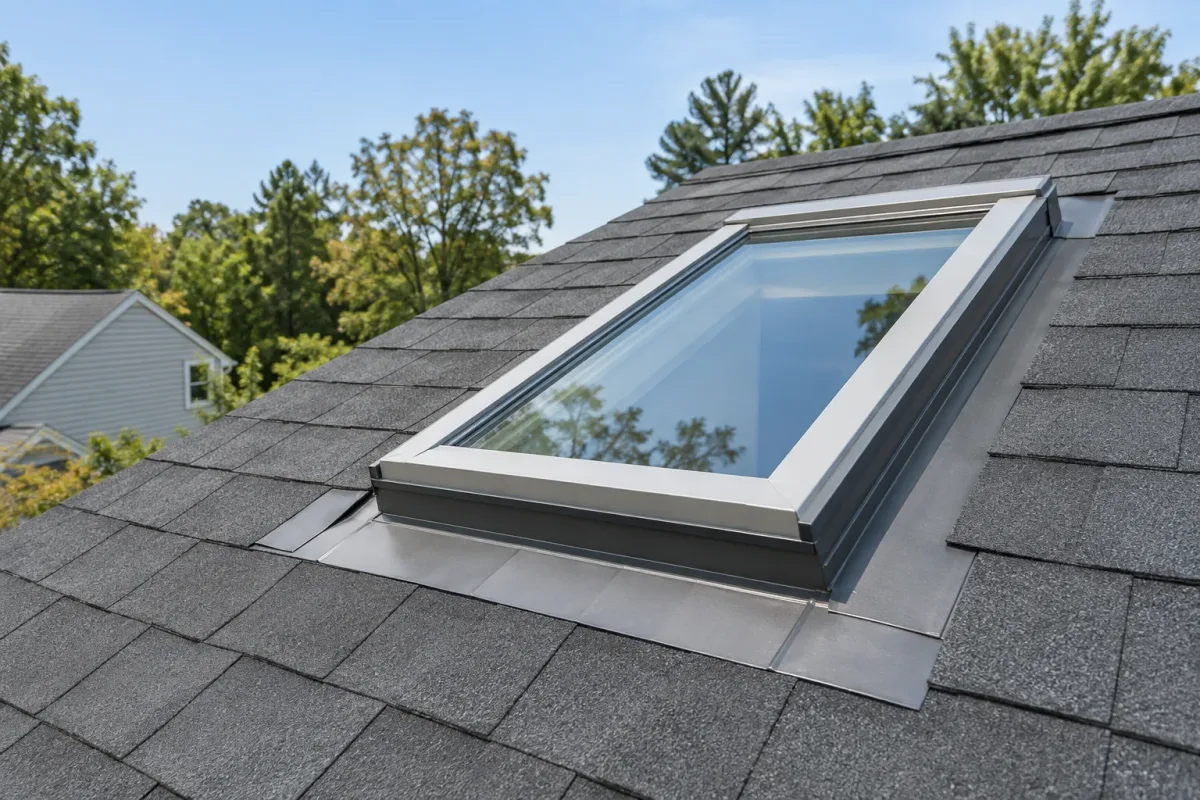
Cherry Hill Elite Skylights publishes independent planning guides for daylight work that treats the room, roof, product, water-control layers, structure, controls, interior finish, and local process as one project. This Cherry Hill homeowner guide explains the decisions that should be visible before a proposal is approved. It is educational information, not a remote diagnosis, engineering decision, or permit ruling.
Name the symptom without choosing the cause
Record water, fog, drafts, heat, glare, noise, sticking hardware, cracked finish, or broken glass as observations. Add the date, weather, wind, indoor humidity, and operating condition. A ceiling stain does not prove the skylight is the entry point, and room-side moisture does not prove the insulated glass seal failed. Neutral notes make diagnosis easier.
The written record should distinguish measured facts, direct observations, homeowner history, and conditions that remain concealed. Ask who owns the next action, what must remain visible, which product instructions control, and how a change will be approved. That discipline keeps a daylight project comparable when several trades or proposals are involved.
A practical checkpoint
Before moving on, place the room goal, roof condition, selected opening, responsible party, and supporting photographs beside this decision. If any one of those items is missing, record the question instead of turning an assumption into scope. A short pause for evidence is easier to manage than reopening a finished roof or shaft.
Separate the unit from the roof transition
The skylight includes glazing, frame, sash, gaskets, hardware, and controls. The surrounding assembly includes curb or deck, underlayment, sill, side and head flashing, roof covering, deck, framing, insulation, shaft, and finish. Label the failed or suspect layer. A repair recommendation should say which layer it addresses and which related conditions remain outside scope.
The written record should distinguish measured facts, direct observations, homeowner history, and conditions that remain concealed. Ask who owns the next action, what must remain visible, which product instructions control, and how a change will be approved. That discipline keeps a daylight project comparable when several trades or proposals are involved.
A practical checkpoint
Before moving on, place the room goal, roof condition, selected opening, responsible party, and supporting photographs beside this decision. If any one of those items is missing, record the question instead of turning an assumption into scope. A short pause for evidence is easier to manage than reopening a finished roof or shaft.
Find the product identity and support status
Photograph manufacturer labels, model numbers, glass markings, controller details, and approximate installation date. Supported replacement parts can make a sash, glass, gasket, shade, or control repair practical. Missing labels, discontinued components, incompatible field dimensions, or a deteriorated frame can shift the comparison toward full replacement.
The written record should distinguish measured facts, direct observations, homeowner history, and conditions that remain concealed. Ask who owns the next action, what must remain visible, which product instructions control, and how a change will be approved. That discipline keeps a daylight project comparable when several trades or proposals are involved.
A practical checkpoint
Before moving on, place the room goal, roof condition, selected opening, responsible party, and supporting photographs beside this decision. If any one of those items is missing, record the question instead of turning an assumption into scope. A short pause for evidence is easier to manage than reopening a finished roof or shaft.
Inspect flashing from sill to head
Water-control layers work through sequence and overlap. Document the sill, step or side pieces, head clearance, underlayment, roof laps, fasteners, sealant, debris, and uphill roof. A surface bead can hide evidence without rebuilding drainage. Controlled material removal may be required before anyone can distinguish flashing repair from a roof or curb correction.
The written record should distinguish measured facts, direct observations, homeowner history, and conditions that remain concealed. Ask who owns the next action, what must remain visible, which product instructions control, and how a change will be approved. That discipline keeps a daylight project comparable when several trades or proposals are involved.
A practical checkpoint
Before moving on, place the room goal, roof condition, selected opening, responsible party, and supporting photographs beside this decision. If any one of those items is missing, record the question instead of turning an assumption into scope. A short pause for evidence is easier to manage than reopening a finished roof or shaft.
Read fog and condensation correctly
Moisture between sealed panes differs from condensation on the room-facing glass. The first can indicate an insulated-glass failure; the second may relate to indoor humidity, surface temperature, air movement, shaft insulation, or air leakage. Photograph where moisture sits and when it appears. Do not order glass before the location and product construction are established.
The written record should distinguish measured facts, direct observations, homeowner history, and conditions that remain concealed. Ask who owns the next action, what must remain visible, which product instructions control, and how a change will be approved. That discipline keeps a daylight project comparable when several trades or proposals are involved.
A practical checkpoint
Before moving on, place the room goal, roof condition, selected opening, responsible party, and supporting photographs beside this decision. If any one of those items is missing, record the question instead of turning an assumption into scope. A short pause for evidence is easier to manage than reopening a finished roof or shaft.
Compare remaining service life, not only age
Age is context, not a diagnosis. A younger unit with installation defects may need substantial work, while an older supported unit with a bounded hardware issue may be repairable. Consider roof age, planned reroofing, frame condition, glazing performance, parts, controls, curb, opening geometry, and interior damage together.
The written record should distinguish measured facts, direct observations, homeowner history, and conditions that remain concealed. Ask who owns the next action, what must remain visible, which product instructions control, and how a change will be approved. That discipline keeps a daylight project comparable when several trades or proposals are involved.
A practical checkpoint
Before moving on, place the room goal, roof condition, selected opening, responsible party, and supporting photographs beside this decision. If any one of those items is missing, record the question instead of turning an assumption into scope. A short pause for evidence is easier to manage than reopening a finished roof or shaft.
Write two scopes when the evidence is close
Ask for a bounded repair option and a replacement option using the same observations. Each should list roof disturbance, product, flashing, underlayment, curb or deck work, interior finish, weather protection, permits, warranty, and follow-up. The comparison becomes useful when both options solve the same documented problem and disclose what they leave behind.
The written record should distinguish measured facts, direct observations, homeowner history, and conditions that remain concealed. Ask who owns the next action, what must remain visible, which product instructions control, and how a change will be approved. That discipline keeps a daylight project comparable when several trades or proposals are involved.
A practical checkpoint
Before moving on, place the room goal, roof condition, selected opening, responsible party, and supporting photographs beside this decision. If any one of those items is missing, record the question instead of turning an assumption into scope. A short pause for evidence is easier to manage than reopening a finished roof or shaft.
Verify the result after relevant conditions
Keep before-and-after photographs and observe the original symptom location through rain, wind, cold weather, high humidity, or operation as relevant. A repair closeout should name the corrected layer and the trigger for reconsidering replacement. A replacement closeout should preserve the new product and opening details for future roof work.
The written record should distinguish measured facts, direct observations, homeowner history, and conditions that remain concealed. Ask who owns the next action, what must remain visible, which product instructions control, and how a change will be approved. That discipline keeps a daylight project comparable when several trades or proposals are involved.
A practical checkpoint
Before moving on, place the room goal, roof condition, selected opening, responsible party, and supporting photographs beside this decision. If any one of those items is missing, record the question instead of turning an assumption into scope. A short pause for evidence is easier to manage than reopening a finished roof or shaft.
Turn the guide into a property-specific request
Collect the address, room use, roof type and age, current skylight labels, dimensions available from safe locations, symptom dates, photographs, prior reports, invoices, permits, warranties, and any planned roof or remodeling work. Do not climb, remove glass, open the roof, or disturb wet electrical controls to complete the record.
Use Cherry Hill permits and the New Jersey Division of Codes and Standards as current official starting points. Review ENERGY STAR skylight information, the Department of Energy daylighting overview, and the selected manufacturer’s current instructions when product performance or installation details are compared.
For a property-specific assessment, send the room, roof, and opening details. You can also compare skylight installation, skylight replacement, skylight repair, and local planning guides.
Use the guide, then inspect the property.
01Can this guide replace an on-site skylight assessment?
No. It organizes planning questions; a qualified provider must inspect the actual room, roof, opening, and products.
02Which local requirements apply?
Confirm the current municipal and New Jersey requirements for the exact address and final work description before construction.
03What records should the owner keep?
Keep product identity, measurements, plans, permits, inspections, concealed-condition photographs, invoices, warranties, and written changes.